
How to Reduce Stress: 15 Proven Ways to Feel Calm, Focused, and in Control
Discover 15 proven ways to reduce stress naturally and feel calmer, more focused, and balanced every day. Learn practical tips for mindfulness, sleep, nutrition, and self-care.
WELLBEING
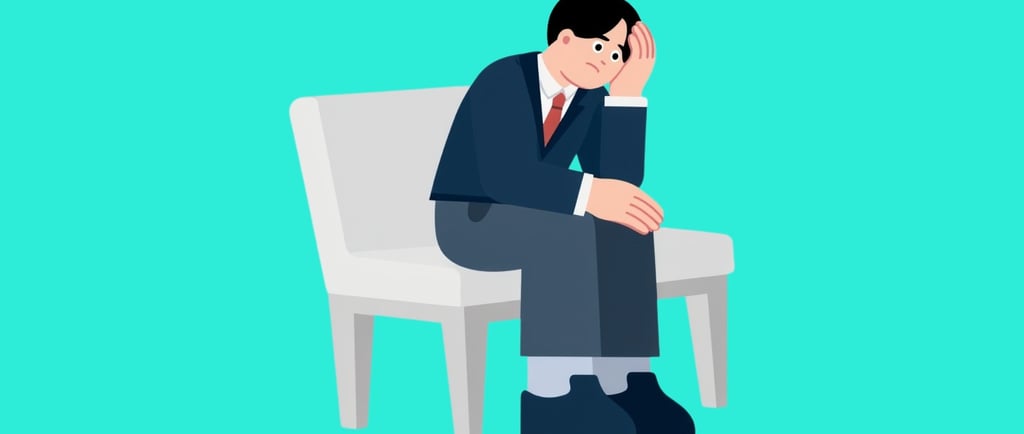
How to Reduce Stress: 15 Proven Ways to Feel Calm, Focused, and in Control
Stress is one of the most searched and discussed health issues today. From work pressure and lack of sleep to constant digital overload, many people are actively looking for effective ways to reduce stress naturally.
If you’re feeling overwhelmed, tense, or mentally exhausted, this guide will show you how to reduce stress step by step, using practical, evidence-based strategies that actually work in daily life.
What Is Stress and Why Is It Harmful?
Stress is the body’s natural response to challenges or perceived threats. Short-term stress can be useful, but chronic stress negatively impacts both mental and physical health.
Long-term stress is linked to:
Anxiety and depression
Poor sleep quality
Fatigue and low energy
Digestive problems
Weakened immune system
Hormonal imbalance
Learning how to manage stress effectively is essential for long-term wellbeing.
How to Reduce Stress Naturally (Quick Overview)
If you’re looking for a fast answer, here are the most effective ways to reduce stress:
Practice deep breathing
Move your body regularly
Improve sleep habits
Reduce mental overload
Set healthy boundaries
Practice mindfulness
Support your body with nutrition
Create daily moments of calm
Below, we’ll explore each method in detail.
1. Use Deep Breathing to Calm the Nervous System
Deep breathing is one of the fastest and most effective stress relief techniques.
When you breathe slowly and deeply, your body activates the parasympathetic nervous system, responsible for relaxation.
Simple breathing exercise for stress relief:
Inhale through the nose for 4 seconds
Hold for 2 seconds
Exhale slowly through the mouth for 6 seconds
Repeat for 3–5 minutes
This technique can instantly lower stress levels and calm the mind.
2. Move Your Body to Release Stress Hormones
Physical activity reduces stress hormones like cortisol and increases endorphins — the body’s natural mood boosters.
You don’t need intense workouts. The best exercises for stress relief include:
Walking
Yoga
Stretching
Light strength training
Dancing
Aim for at least 20–30 minutes of movement per day.
3. Improve Sleep to Reduce Stress Naturally
Sleep and stress are deeply connected. Poor sleep increases stress, while stress disrupts sleep.
To improve sleep quality:
Go to bed and wake up at the same time
Avoid screens 60 minutes before bed
Create a relaxing bedtime routine
Keep your bedroom dark and cool
Better sleep leads to better stress management.
4. Reduce Mental Overload and Overthinking
Many people experience stress due to constant mental pressure and overthinking.
To reduce mental stress:
Write down tasks instead of keeping them in your head
Focus on 3 priorities per day
Break large tasks into smaller steps
Let go of perfectionism
Mental clarity is one of the most powerful stress reducers.
5. Practice Mindfulness to Stay Present
Mindfulness helps reduce stress by bringing attention to the present moment instead of worrying about the future.
Ways to practice mindfulness:
Mindful breathing
Guided meditation
Eating without distractions
Short mindful pauses during the day
Just 5–10 minutes of mindfulness daily can significantly reduce stress levels.
6. Set Healthy Boundaries to Prevent Burnout
Chronic stress often comes from doing too much and saying yes too often.
Healthy boundaries may include:
Limiting work hours
Reducing social media use
Saying no without guilt
Scheduling rest time
Boundaries protect your energy and mental health.
7. Eat for Stress Reduction and Emotional Balance
Nutrition plays a key role in stress management.
To support your body during stress:
Eat balanced meals regularly
Focus on whole foods
Stay hydrated
Reduce excessive caffeine and sugar
Stable blood sugar helps stabilize mood and energy.
8. Connect with Others for Emotional Support
Social connection is a natural stress buffer.
Talking to a trusted person can:
Reduce emotional tension
Improve perspective
Decrease feelings of isolation
You don’t have to face stress alone.
9. Create Daily Stress-Relief Rituals
Small daily rituals help prevent stress from building up.
Examples:
Morning quiet time
Short walks
Evening journaling
Listening to calming music
Consistency matters more than duration.
10. Practice Self-Compassion
Being harsh with yourself increases stress. Self-compassion reduces it.
Remind yourself:
You don’t have to be perfect
Rest is productive
Progress is better than pressure
Kindness toward yourself is a powerful stress-reduction tool.
Frequently Asked Questions About Stress
How can I reduce stress quickly?
Deep breathing, short walks, and stepping away from screens are the fastest ways to reduce stress.
What is the best natural way to reduce stress?
Regular movement, quality sleep, mindfulness, and healthy boundaries are the most effective natural methods.
Can lifestyle changes really reduce stress?
Yes. Small, consistent lifestyle changes have a significant long-term impact on stress levels.
Final Thoughts: How to Reduce Stress Long Term
Reducing stress is not about eliminating challenges — it’s about building resilience and balance.
By supporting your nervous system, simplifying your life, and creating healthier daily habits, you can feel calmer, more focused, and more in control.
Start with one small change today. Over time, those small steps can transform how you experience stress — and life.
Subscribe to our newsletter
Enjoy exclusive special deals available only to our subscribers.