
Unlocking Self-Growth Through Everyday Awareness and Small Daily Choices
Discover how everyday awareness can transform your mindset, emotional resilience, and personal growth. A practical, engaging guide to meaningful self-growth habits you can start today.
SELF-GROWTH
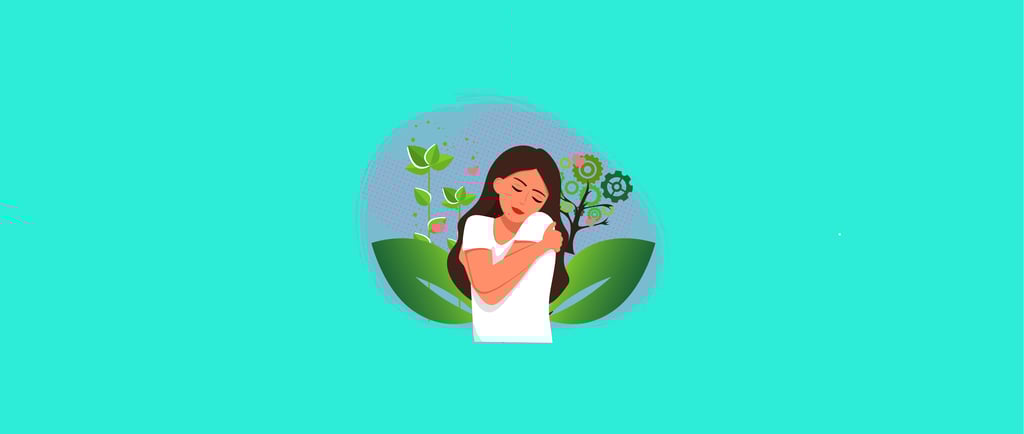
Self-growth has become one of those phrases we hear everywhere—on podcasts, in books, in motivational videos—but few people actually stop to define what it means. For many, self-growth is something abstract, a faraway version of ourselves we hope to become someday when we finally have more time, more courage, more clarity, or more discipline.
But the truth is simpler: self-growth isn’t a destination—it’s a lens through which you live your everyday life.
It’s about how you speak to yourself, how you react to discomfort, and how willing you are to see the parts of you that need care instead of criticism.
In this article, we’re going to explore a powerful but approachable idea: self-growth through everyday awareness. Not grand transformations, not 5 a.m. routines, not drastic lifestyle changes—just small changes in the way you understand yourself, react to your experiences, and make choices intentionally.
This is self-growth that feels human, sustainable, and real.
Why Self-Growth Begins with Awareness
Most people think self-growth starts with action: new habits, new routines, new goals. But action without awareness is often temporary. You follow a routine for a week, maybe two, then fall back into old patterns.
Awareness is the part people skip. Yet it’s the foundation of everything.
Awareness gives you:
clarity about what you feel
understanding of what triggers you
recognition of old patterns
the ability to choose differently
Without awareness, you repeat the same cycles. With awareness, you finally have the option to change them.
Think of awareness as the moment you say:
“Oh, this is what’s happening inside me.”
That single moment creates the opening for growth.
Self-Growth Isn’t About Fixing Yourself
A common misconception is that self-growth means fixing what’s “wrong.” But self-growth isn’t a punishment. It’s not about becoming perfect or flawless.
Self-growth is about becoming:
more conscious
more compassionate
more emotionally intelligent
more aligned with your own values
more comfortable being you
When you approach growth from judgment, you fight yourself.
When you approach growth from curiosity, you transform yourself.
This shift alone can change your entire life.
The Power of Micro-Awareness in Daily Moments
You don’t need a retreat or a self-help seminar to grow. You grow in ordinary moments—the ones that feel too small to matter.
Here are a few examples of micro-awareness moments that can change everything:
1. Noticing Your Emotional Patterns
Instead of saying, “I’m stressed, period,” you ask:
“What exactly triggered this? What story am I telling myself?”
2. Recognizing Your Automatic Reactions
Maybe you shut down during conflict.
Maybe you over-explain when anxious.
Maybe you say yes when you want to say no.
Awareness turns patterns into choices.
3. Observing Your Self-Talk
Instead of believing every harsh thought, you notice:
“Ah, that’s the critical voice showing up again.”
4. Catching Moments of Discomfort
When something irritates you, you pause and ask:
“What does this discomfort want me to see?”
These little moments are where real growth begins.
How Awareness Creates Emotional Resilience
Emotional resilience is not about suppressing feelings—it’s about understanding them.
The more self-aware you become, the better you can:
regulate emotions
respond instead of react
express your needs
set boundaries
make decisions aligned with your values
Self-growth becomes resilience when you learn to meet difficult emotions with compassion rather than avoidance.
For example:
Instead of numbing anxiety, you explore its source.
Instead of avoiding conflict, you understand your fear of being misunderstood.
Instead of denying sadness, you let yourself grieve with kindness.
Awareness turns emotions into information, not threats.
The Role of Self-Compassion in Growth
Many people try to grow by criticizing themselves into change.
They think:
“I need more discipline.”
“I should do better.”
“I’m not enough yet.”
But shame never creates long-term change.
Compassion does.
Self-compassion means:
You understand your limits
You forgive your mistakes
You treat yourself like someone worth caring for
You support your growth instead of forcing it
Self-compassion turns growth from pressure into possibility.
5 Everyday Practices That Accelerate Self-Growth
These simple practices integrate awareness into your daily routine—naturally, gently, and sustainably.
1. The Five-Minute Reflection
Take five minutes at the end of each day to ask yourself:
What did I feel today?
What triggered me?
What did I avoid?
What gave me energy?
What drained me?
This builds emotional clarity over time.
2. The “Name It to Tame It” Method
When you feel something strong, simply name it:
“I feel overwhelmed.”
“I feel pressure.”
“I feel lonely.”
Labeling emotions reduces intensity and increases control.
It’s awareness in action.
3. The Body Awareness Check-In
Your body tells the truth before your mind does.
Pause and ask:
Where do I feel tension?
What is my breathing like?
Is my posture open or collapsed?
The body often reveals emotions you haven’t noticed consciously.
4. The Values Alignment Question
Before making decisions, ask:
“Is this aligned with who I want to be?”
This single question can shift your entire life trajectory.
5. The Gentle Boundary Practice
When something doesn’t feel right, try saying:
“I need a moment to think.”
“I’m not available for this right now.”
“Let me get back to you.”
Small boundaries create big growth.
Self-Growth Through Relationships
Self-growth doesn’t happen alone.
Relationships act as mirrors—sometimes flattering, sometimes uncomfortable.
Through others, you learn:
how you communicate
where you still need healing
how you respond to rejection
your attachment patterns
your defaults under stress
Relationships reveal your blind spots.
Awareness helps you work through them.
Instead of blaming or withdrawing, you begin to ask:
“What is this dynamic teaching me?”
“What am I bringing into this interaction?”
“What part of me needs attention right now?”
This is the emotional maturity that defines true self-growth.
Letting Go: The Hidden Side of Self-Growth
Growth isn’t always about adding more—more habits, more goals, more productivity.
Sometimes, growth is about letting go.
Letting go of:
old stories
unrealistic expectations
childhood patterns
guilt for choosing yourself
people who don’t support your growth
perfectionism
Letting go creates emotional space for something new to emerge.
Awareness tells you what needs to go.
Courage allows you to actually release it.
Self-Growth as a Lifelong Practice
Self-growth is not a phase.
It’s not something you do for a month and then “finish.”
It’s a lifelong relationship with yourself.
It evolves as you evolve:
At 20, growth might mean finding your identity.
At 30, it might mean healing emotional wounds.
At 40, it might mean redefining success.
At 50 and beyond, it might mean embracing authenticity.
There is no deadline, no rush, no expiration date.
Growth happens in seasons, not schedules.
Why Awareness Makes Growth Sustainable
Awareness is what keeps self-growth grounded—not overwhelming, not dramatic, not chaotic.
With awareness:
You grow organically
You understand your triggers
You build resilience
You make intentional choices
You break old patterns
You reconnect with yourself
Awareness transforms growth into something empowering instead of exhausting.
Final Thoughts: Becoming the Aware Version of You
Self-growth doesn’t require perfection.
It doesn’t require a complete life overhaul.
It doesn’t require becoming someone completely different.
It simply requires becoming more aware—a little more today than yesterday.
Awareness helps you:
understand your emotions
recognize your patterns
make choices aligned with your values
care for yourself with compassion
grow with intention
When you live with everyday awareness, growth stops being something you chase and becomes something you naturally embody.
The most powerful version of you isn’t the perfect one.
It’s the aware one.
Subscribe to our newsletter
Enjoy exclusive special deals available only to our subscribers.